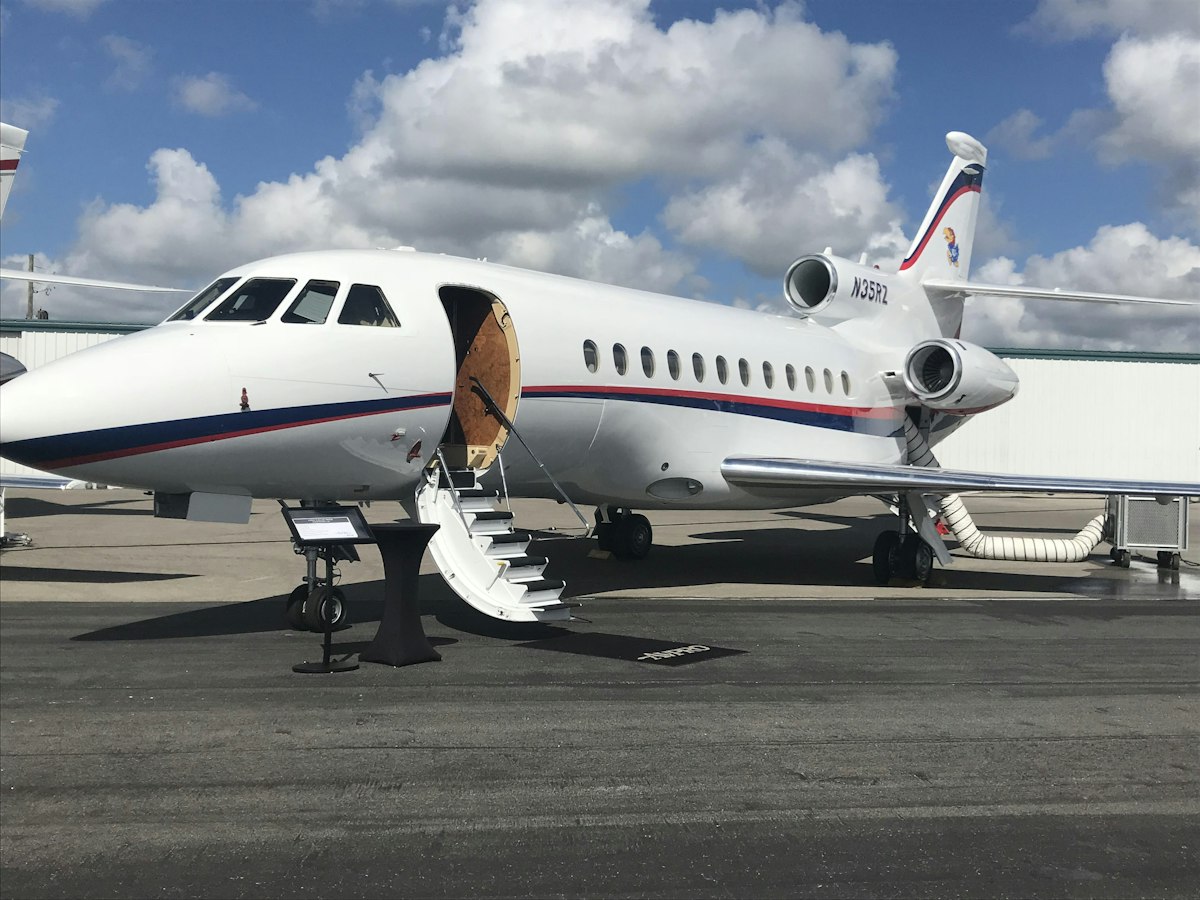
Chartering a private jet is no longer exclusively reserved for billionaires and heads of state. The on-demand charter market has grown significantly over the past decade, with more than 11,000 private jets available for charter in the United States alone. Yet the question every first-time charter client asks remains the same: how much does it actually cost?
The honest answer is that private jet charter pricing is highly variable — influenced by aircraft category, route distance, positioning fees, fuel surcharges, and seasonal demand. This guide breaks down every cost component so you can budget accurately and avoid surprises.
Private Jet Charter Cost by Aircraft Category
The single biggest driver of charter cost is the aircraft category. Jets are broadly grouped into five tiers, each offering a different balance of range, cabin size, and hourly rate.
| Category | Example Aircraft | Hourly Rate | Passengers | Range |
|---|---|---|---|---|
| Turboprop | Pilatus PC-12, King Air 350 | $1,800 – $3,000 | Up to 9 | 1,000 – 1,500 nm |
| Very Light Jet (VLJ) | Phenom 100, Citation Mustang | $2,500 – $4,000 | Up to 5 | 1,000 – 1,400 nm |
| Light Jet | Phenom 300E, Citation CJ4 | $4,000 – $6,500 | Up to 8 | 1,800 – 2,200 nm |
| Midsize Jet | Citation Longitude, Hawker 900XP | $5,500 – $8,500 | Up to 9 | 2,800 – 3,500 nm |
| Super-Midsize Jet | Challenger 3500, Citation X+ | $7,000 – $11,000 | Up to 12 | 3,200 – 3,900 nm |
| Heavy Jet | Falcon 8X, Gulfstream G550 | $9,000 – $14,000 | Up to 16 | 5,000 – 6,000 nm |
| Ultra-Long Range | Gulfstream G700, Global 7500 | $12,000 – $20,000 | Up to 19 | 7,000 – 8,000 nm |
These hourly rates represent all-in charter rates — meaning they include the aircraft, crew, and standard catering. They do not include federal excise tax (7.5%), landing fees, or international handling fees, which are itemized separately on your quote.
Real Route Examples: What You'll Actually Pay
Hourly rates only tell part of the story. Here are real-world cost examples for common US routes, including positioning and taxes:
New York (KTEB) → Miami (KOPF) — 2.5 flight hours
- Light Jet (Phenom 300E): $14,000 – $18,000 one way
- Midsize Jet (Citation Longitude): $18,000 – $24,000 one way
- Heavy Jet (Falcon 8X): $28,000 – $38,000 one way
Los Angeles (KVNY) → Las Vegas (KLAS) — 45 minutes
- Light Jet: $8,000 – $12,000 one way (minimum flight time applies)
- Midsize Jet: $10,000 – $15,000 one way
New York (KTEB) → London (EGLL) — 7.5 flight hours
- Heavy Jet (Gulfstream G550): $90,000 – $120,000 one way
- Ultra-Long Range (G700): $120,000 – $160,000 one way
Hidden Costs to Watch For
A reputable broker will itemize every cost component upfront. Here's what to look for beyond the base charter rate:
Federal Excise Tax (FET): The US government levies a 7.5% excise tax on all domestic charter flights. This is non-negotiable and should appear on every legitimate quote.
Fuel Surcharges: Jet-A fuel prices fluctuate. Some operators lock in fuel costs at quote time; others pass through actual fuel costs at trip completion. Always ask which applies.
Positioning Fees: If the aircraft needs to fly empty from its base to your departure airport, you may be charged a "dead-leg" or positioning fee. On popular routes, operators often absorb this; on remote departures, it can add 20–40% to your total.
Landing and Handling Fees: FBO (Fixed Base Operator) fees at your arrival airport typically range from $500 to $3,000 depending on the facility and aircraft size. International handling fees can be significantly higher.
Catering and Concierge: Basic catering (snacks, beverages) is usually included. Custom catering, ground transportation, and hotel coordination are billed separately.
How to Get the Best Price on a Charter
The charter market is relationship-driven, and brokers with deep operator networks consistently secure better pricing than direct-to-consumer platforms. Here are the most effective strategies:
Book Empty Legs: Empty leg flights — repositioning flights that would otherwise fly empty — are available at 25–75% below standard charter rates. They require flexibility on timing and routing, but represent the best value in private aviation. Tidal Jets maintains a live inventory of available empty legs updated in real time.
Travel Mid-Week: Monday–Thursday departures are typically 10–20% cheaper than Friday and Sunday peak travel. If your schedule allows, mid-week departures offer meaningful savings.
Use a Broker, Not a Marketplace: Direct booking platforms charge convenience fees and lack the negotiating leverage of a dedicated broker. A broker who sources from 3,500+ operators can find the right aircraft at the right price — and will be accountable if anything goes wrong.
Book in Advance for Peak Periods: Holiday weekends (Memorial Day, July 4th, Thanksgiving, Christmas/New Year) see demand spikes of 40–60%. Booking 4–6 weeks ahead secures better availability and pricing.
Is Chartering Cheaper Than Ownership?
For most travelers flying fewer than 200 hours per year, charter is significantly more cost-effective than ownership. A light jet like the Phenom 300E costs approximately $4.5 million to purchase, plus $600,000–$800,000 annually in fixed operating costs (crew, insurance, maintenance, hangar). At 100 charter hours per year, you'd spend roughly $500,000–$650,000 — less than half the cost of ownership, with no capital tied up and full flexibility to upgrade aircraft for each trip.
Get an Instant Quote
Tidal Jets provides transparent, all-in pricing with no hidden fees. Our broker team sources from 3,500+ FAA-certified Part 135 operators to find the best aircraft for your route, schedule, and budget. Use our instant quote tool or call (864) 865-2023 to speak with a broker directly.